
A Deep Look Into Hybrid Human + AI Translation Models
The Problem with One-Sided Translation Approaches
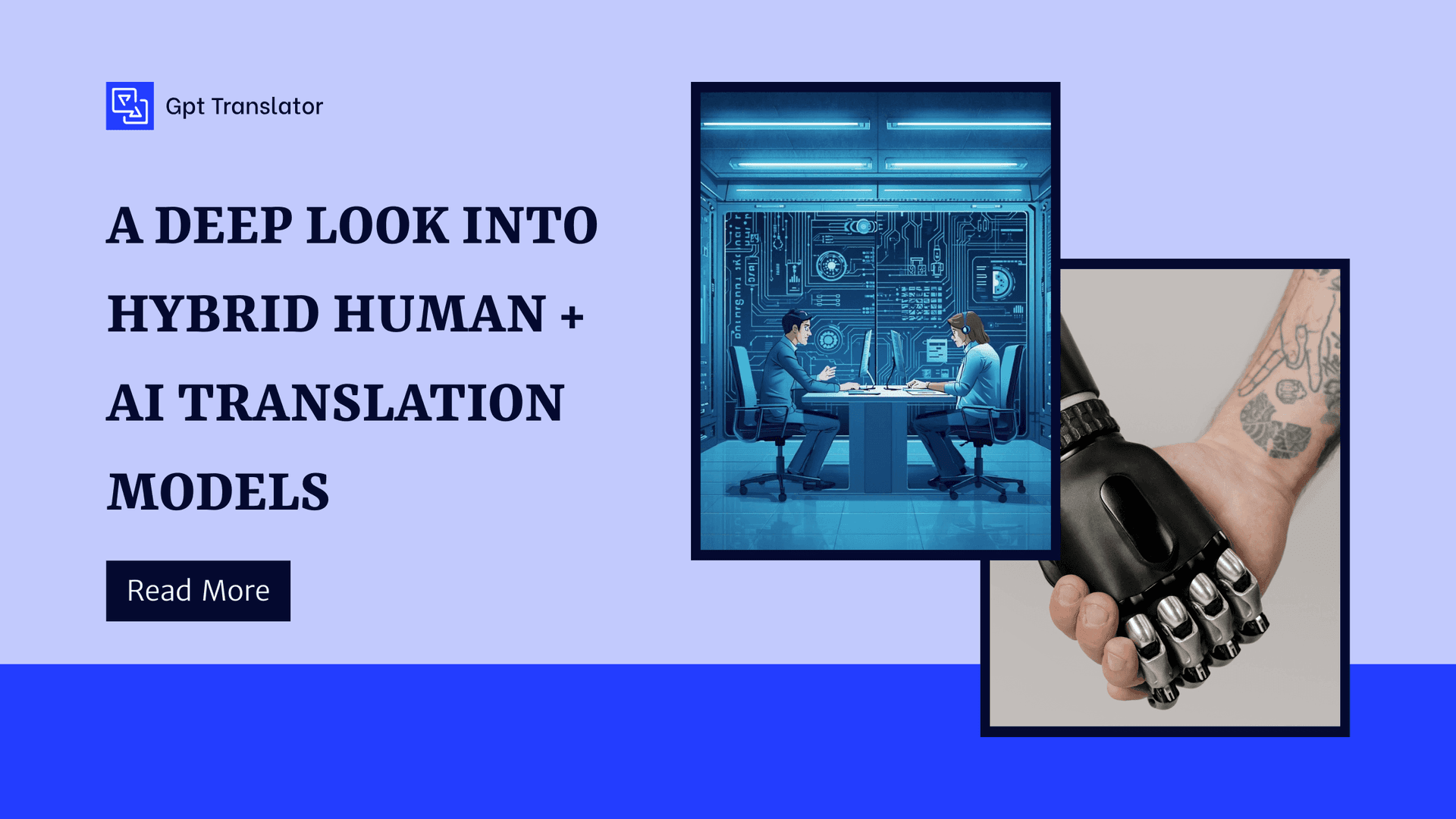
Why Pure AI or Pure Human Translation Falls Short. There are a number of companies that would prefer to go for either human translation or AI translation, but both methods have their weaknesses when applied separately. AI can handle large volumes of text at high speeds, but at the same time, it can easily misinterpret cultural references, feelings, or brand voice. Conversely, human translators are aware of the subtleties and the contextual aspects but they are not able to keep up with the speed of modern global businesses. Under circumstances where release cycles are getting shorter and the amount of content to be translated is increasing, relying on humans alone would mean longer product launches and marketing campaigns. This is what causes organizations to suffer from delays, inconsistent terminology and high translation costs. The core issue with the problem is not the translation process but rather the absence of a well-distributed workflow that leverages the advantages of both human discretion and AI translation model to the fullest.
The Hybrid Solution Melding Human and AI Strengths
How GPT Translator Facilitates a Smarter Workflow
Hybrid human + AI translation takes advantage of GPT Translator and other similar AI tools to produce the initial draft, then human editors carry out the final version's polishing and approving. AI grabs the speed, structure, and consistency while humans guarantee emotional accuracy and cultural appropriateness. This method allows the teams to produce translations of the same quality and efficiency but in larger quantities. GPT translation becomes a collaborator that quickens the process instead of taking over the human role. It preserves the meaning, continuity is maintained, and it ensures that the translated content attracts the target audience. With this hybrid approach, the businesses finally find the needed equilibrium: fast results with a human touch.
Where Hybrid Translation Creates Real Business Value
A System That Resolves Delays, Inconsistency, and Scaling Problems. Companies that adopt hybrid human + AI translation processes rapidly begin to witness significant improvements not just in their translation departments but also in other areas. The marketing departments can run multilingual campaigns without the hassle of lengthy delays. The product teams can transform UI assets and app content into different languages using ChatGPT translate, allowing for later human editing in terms of voice and tone. The support staff can even faster update the knowledge base articles, thereby assuring that the global users get accurate help. Technical documentation can even become easier to manage because the translators are no longer there to convert every single word manually. The new system boosts productivity and allows companies to enter new markets with a unified brand voice, knowing that they will not lose customers.
Why Hybrid Translation Works Better
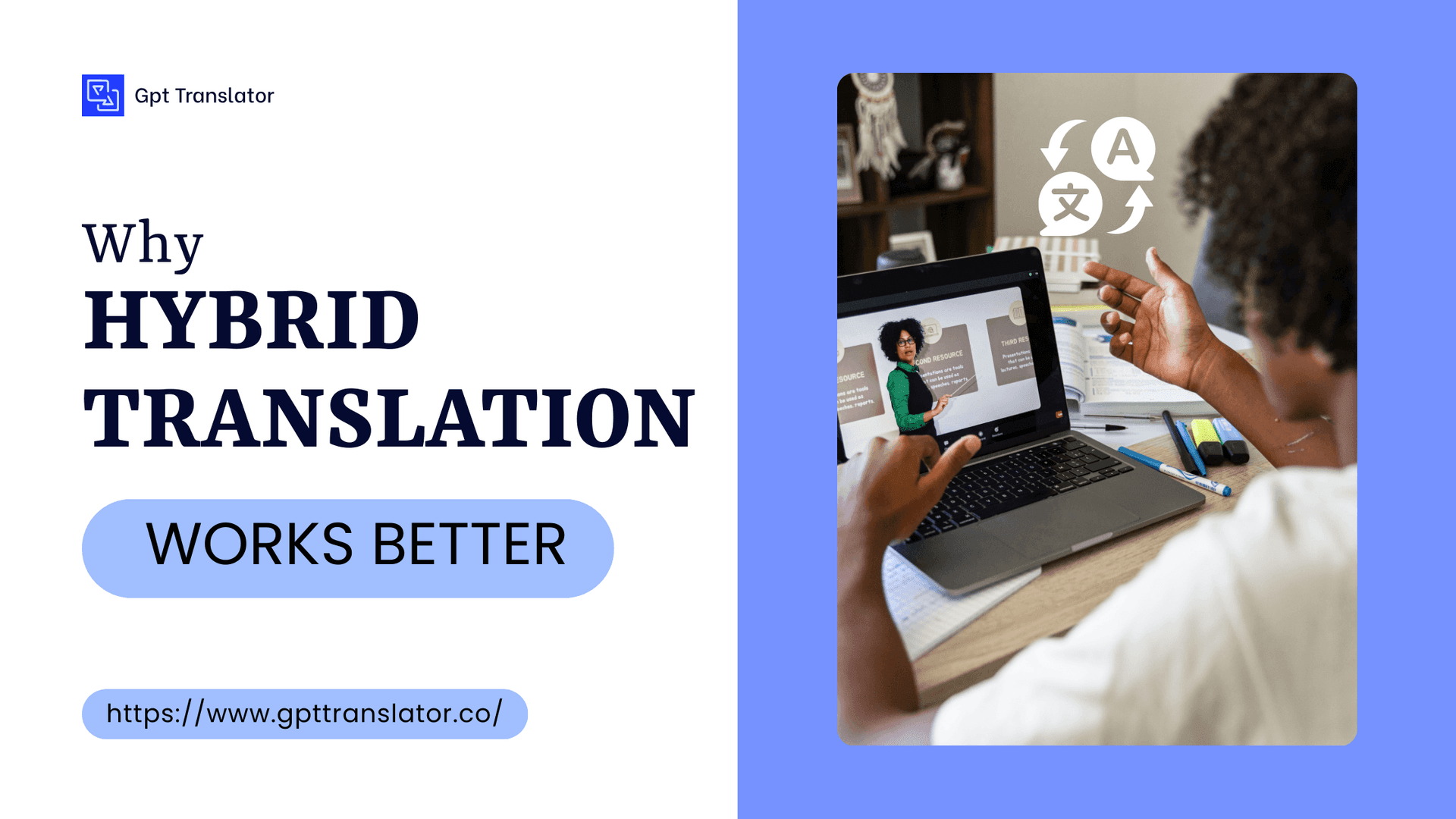
Artificial intelligence prepares a huge amount of first drafts, while people adjust the style and the cultural import of the texts, the same terms are used in all languages, fewer mistakes in translation, faster workflows and companies providing clearer communication without losing emotional content.
A Real Life Case: How One Brand Transformed Its Translation Process
The Shift from Slow Translation to Global Efficiency. An IT company that was venturing into ten new countries was facing a challenge regarding the translation accuracy and speed. Their human-only workflow was slow, while AI-only tests led to output that was very mechanical. But then when they resorted to a hybrid system that was the GPT Translator, it was all for the better. The AI part produced first drafts in no time at all, while the human part was concerned only with taking care of the brand voice. They managed to translate thousands of strings, marketing pages and support articles in weeks instead of months. The users in Europe and Asia all claimed the product was coming across as more natural and familiar. The brand voice was uniform and product launches could finally occur simultaneously in every region. Another Example: Using Hybrid Translation for Mobile App Localization
Faster Releases with Higher Cultural Accuracy
A rapidly growing mobile application wanted to provide the same experience no matter the language. Pure AI translations were awkward in those instances where the culture or the emotion was involved, and human translation resulted in a blocked development. In the end, they opted for a hybrid AI-powered translation workflow where the GPT would produce the first version and the human reviewers would only check for contextual meaning. The outcome was a user-friendly, natural-sounding interface that set the user's expectations in all markets. With ChatGPT translation taking care of both the structure and tone, the app managed to keep the same feeling throughout the updates. The company saved time and increased user satisfaction as the last translations had a human touch, were helpful and were in tune with the audience's emotions.
Why Emotion Still Matters in Translation
AI Handles Structure, But Humans Preserve Meaning. Though the use of AI-based language translation models has become widespread, there are still some language-related issues that only a human's comprehension can resolve. The emotional tone, humor, cultural references and subtle phrasing often lose their impact if done by machines alone. This is the very reason that hybrid translation is so effective: people safeguard the message's core while AI takes care of the technical aspects. GPT Translator allows the preservation of formatting, key structure, and terminology, while the people involved make sure the written material has a personal and trustworthy feeling. This mixture produces translations that the readers do not only comprehend but also feel connected with. For global communication, emotions still remain the connectors that make brands understandable to the different cultures.
Why Hybrid Human + AI Models Are the Future

Build a Translation Workflow That Is More Intelligent and Less Mechanical Right Now
If your team is ready to speed up the translation process while still keeping the human touch, then it is time to welcome the human + AI hybrid translation workflow. GPT Translator allows you to go fast and yet keeps the meaning accurate and culturally relevant. It is live in the marketing content, product UI, customer support and even technical documentation. You will experience the power of AI and the accuracy of human reviewers in one seamless journey. It is the time to start building your contemporary translation workflow, thereby enabling your brand to reach the global audience with clarity, empathy and confidence.